

The Global Lab for Machine Learning Research
Machine learning thrives on transparency. OpenML is the open, collaborative environment where scientists share FAIR data, organize experiments, and build upon state-of-the-art algorithms.

Trusted worldwide to benchmark algorithms objectively.
+99.99% Reproducibility 500k+ Datasets 10M+ Runs+
Frictionless Integration
Seamlessly import data and export experiments from your native scientific environment.






The Three Pillars of OpenML
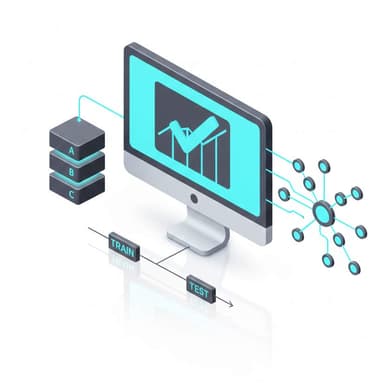
Open platform for sharing datasets, algorithms, and experiments to build a global machine learning repository



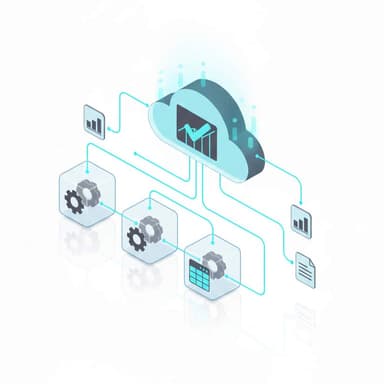
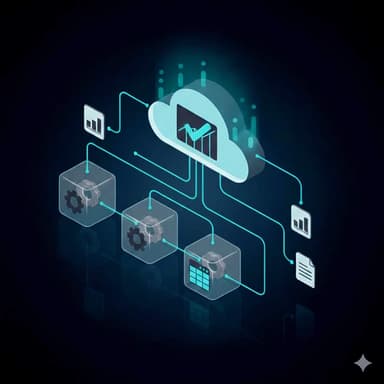
Accessibility & Integration
Use OpenML from the web UI, notebooks, or the command line—wherever you already work.
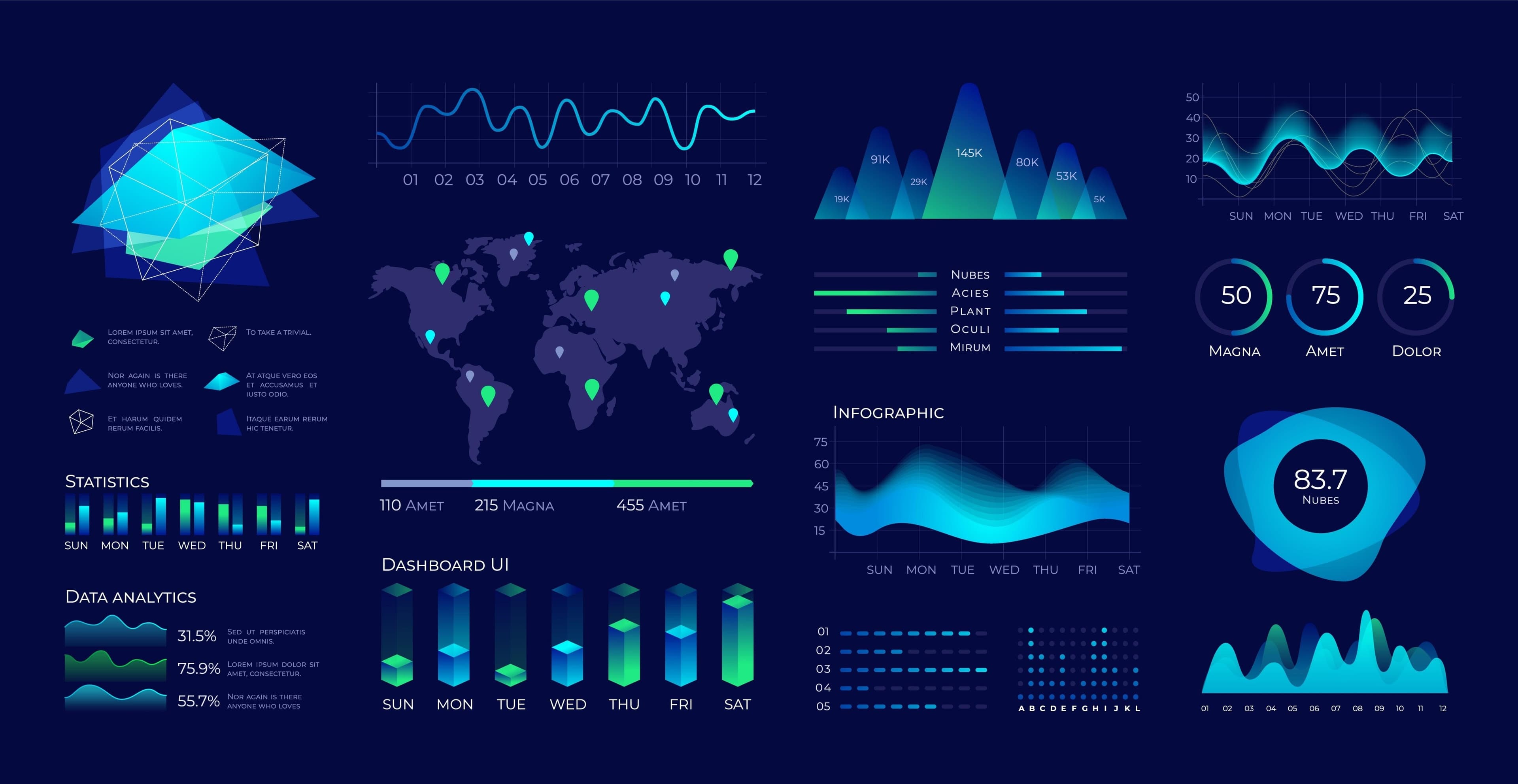
Discover OpenML through an interactive web dashboard for exploring datasets and experiments.
- Search, filter, and bookmark datasets by task type, size, and domain.
- Inspect metadata, target variables, and distributions before you ever write code.
- Compare versions, track provenance, and jump directly into related tasks, flows, and runs.
Browse, visualize, and organize everything from one place—ideal for exploratory analysis, teaching, and quick demos.
Integrate directly into your code. Use our client libraries to programmatically download datasets, run tasks, and upload results without leaving your IDE.
import openml

# Load the diabetes dataset by ID
dataset = openml.datasets.get_dataset(37)
X, y, categorical_indicator, attribute_names = dataset.get_data(
  target=dataset.default_target_attribute
)

# Print dataset information
print(f"Dataset: {dataset.name}")
print(f"Features: {len(attribute_names)}")
print(f"Instances: {len(X)}")Benchmarking SuitesThe Scientific Method for Rigorous Evaluation
Validate your models on curated benchmarking suites spanning domains such as healthcare, finance, and computer vision. Ensure your algorithm is robust across many datasets, not just a single benchmark.

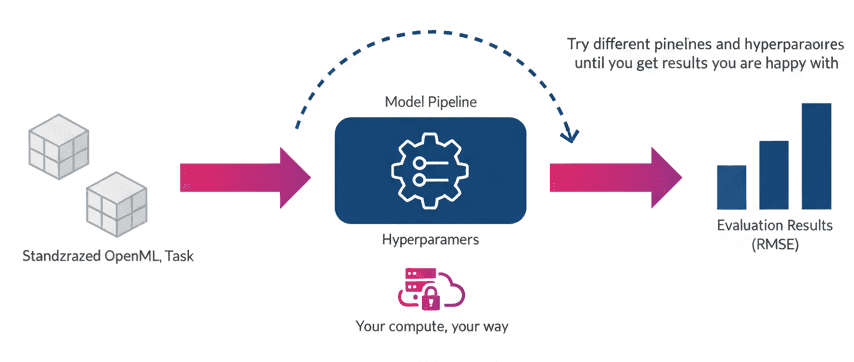
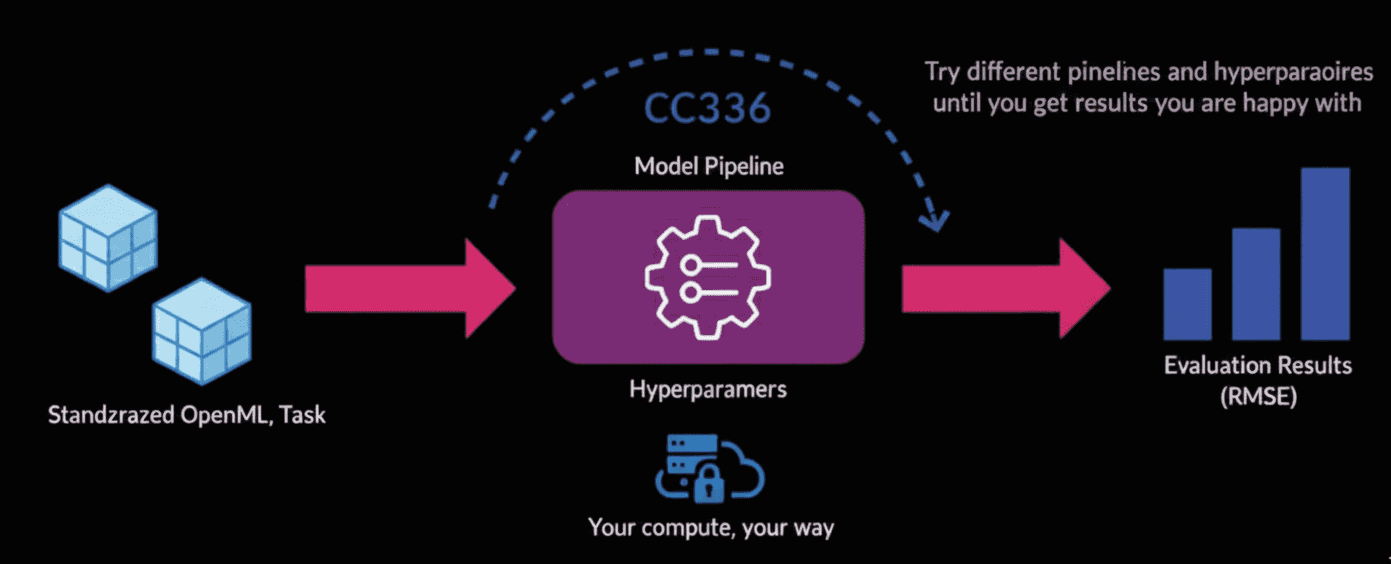
The OpenML Workflow LoopIntegrate OpenML into every step of your ML workflow.



Contribute to the Global Knowledge Base
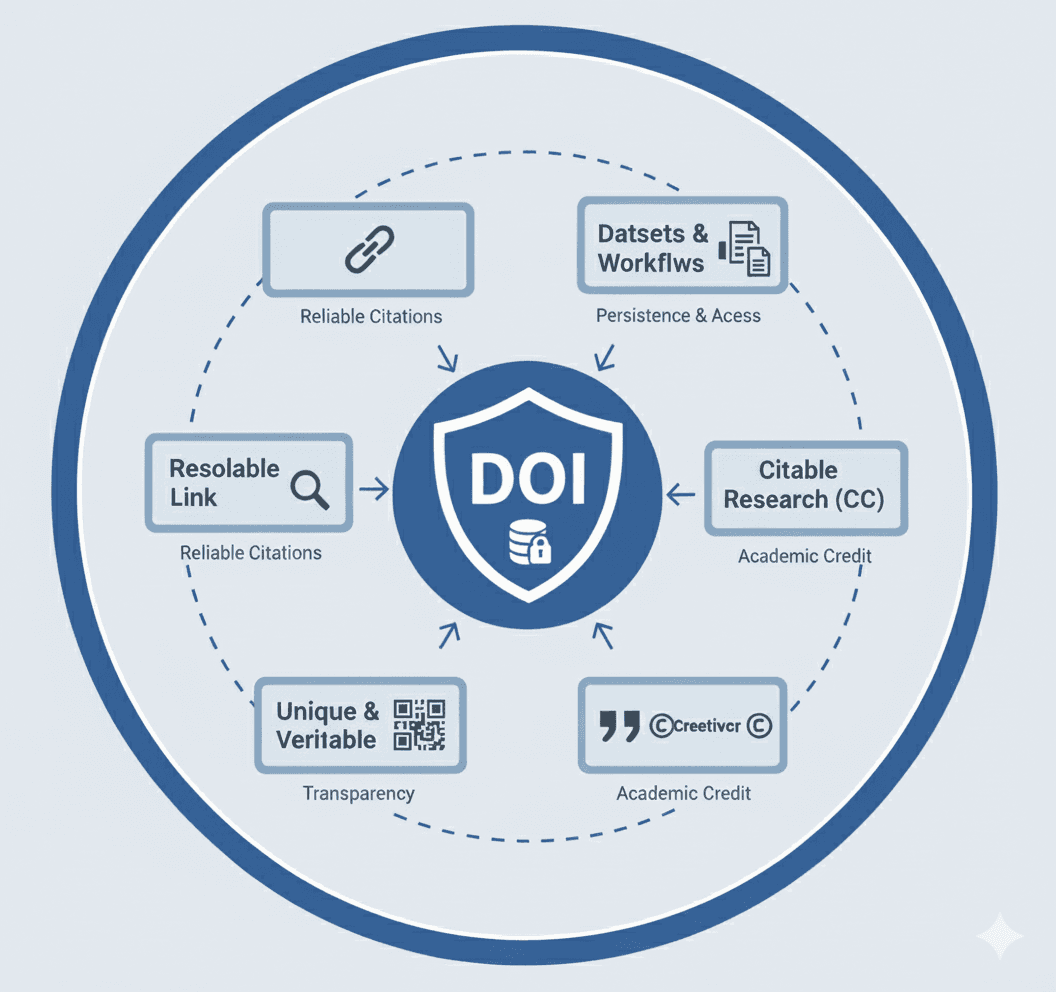
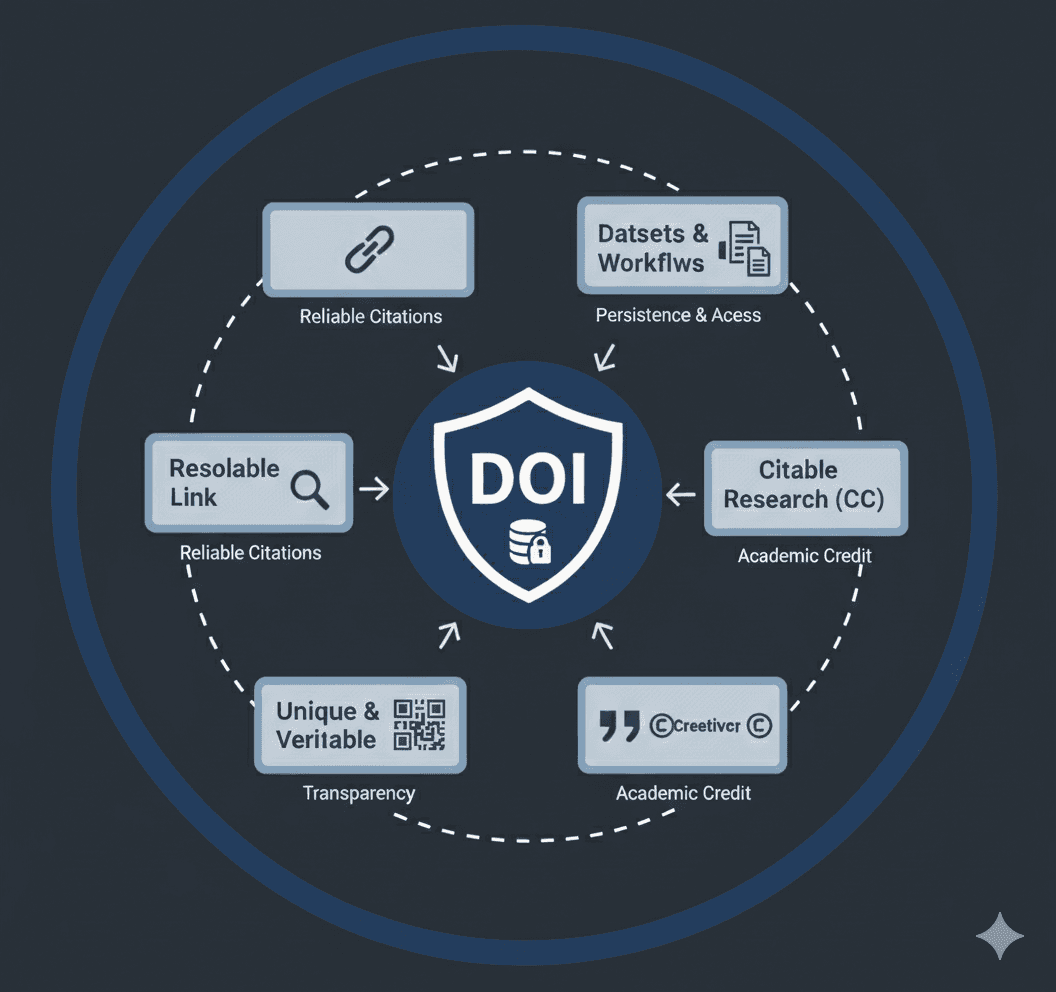
Generate persistent identifiers (DOIs) for your datasets, workflows, and experiments—ensuring FAIR compliance and enabling reproducible science.
The Citation Lifecycle
Don't let your research die on a hard drive. Uploading to OpenML creates citable, versioned artifacts with provenance tracking. Your work becomes part of the global ML benchmark corpus, cited by peers and powering meta-research.
Clear answers to the most important questions
Whether you're training your first model or running large-scale benchmarks, OpenML streamlines every step of your workflow. This Q&A highlights what makes OpenML unique and how it can simplify your daily ML work.